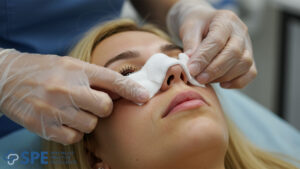
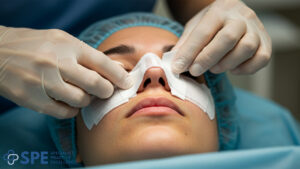
Wound Dressings Demystified – Choosing the Right Options

Wound Dressings Demystified – Choosing the Right Options by SPE

Nurses’ Guide to Understanding Wound Dressings – Choosing the Right Options Choosing the right dressing is one of the most important decisions in wound care. For plastic surgery patients, where cosmetic outcomes are as critical as safety, the wrong dressing can delay healing, increase infection risk, or compromise results. For nurses in private practice, confidence
Read More…

Supporting Patient Nutrition and Lifestyle for Healing after Plastic Surgery

Supporting Patient Nutrition and Lifestyle for Healing after Plastic Surgery by SPE

  Nurse Guide to Supporting Patient Nutrition and Lifestyle for Healing Plastic surgery recovery doesn’t end when patients leave the operating room. While wound care, drains, and medications are important, overall healing depends heavily on what patients do outside the clinic. Nutrition, hydration, rest, and lifestyle habits all play major roles in wound repair, scar
Read More…

Supporting Patient Wellbeing and Mental Health After Plastic Surgery

Supporting Patient Wellbeing and Mental Health After Plastic Surgery by SPE

Supporting Plastic Surgery Patient Wellbeing and Mental Health during Recovery   Recovery from plastic surgery is not only physical. While incisions, drains, and scars are visible, many patients struggle with invisible challenges — anxiety, low mood, body image concerns, or post-operative regret. For nurses, these emotional and psychological factors are just as important to address
Read More…

Patient Education about Recovery after Plastic Surgery

Patient Education about Recovery after Plastic Surgery by SPE

    Nurse Guide to Patient Education about Recovery after Plastic Surgery Plastic surgery is more than an operation — it is a journey of recovery. While surgeons provide the technical expertise, and nurses deliver post-operative care, the patient’s own actions during recovery play a central role in the final outcome. For nurses in private
Read More…

Scarring & Scar Management for Plastic Surgery Nurses

Scarring & Scar Management for Plastic Surgery Nurses by SPE

Understanding Scarring & Scar Management for Plastic Surgery Nurses Scars are an inevitable part of plastic and cosmetic surgery. While surgeons take great care to place incisions discreetly and use meticulous closure techniques, the way scars heal is influenced by many factors outside the operating room. Genetics, wound care, infection, and lifestyle all play a
Read More…

Nutrition, Hydration, Rest and Healing – Top Nurse Tips for Faster Recovery

Nutrition, Hydration, Rest and Healing – Top Nurse Tips for Faster Recovery by SPE

Top Nurse Tips for Faster Recovery after Plastic Surgery – Nutrition, Hydration, Rest and Healing   Recovery from plastic and cosmetic surgery is not only about surgical skill or wound care. The patient’s own body must heal, repair, and regenerate. Nutrition, hydration, and rest are the three pillars that support this process. When patients neglect
Read More…

Monitoring Surgical Drains and Dressings – A Nurse’s Guide

Monitoring Surgical Drains and Dressings – A Nurse’s Guide by SPE

How to Monitor Surgical Drains and Dressings – A Guide for Plastic Surgery Nurses In plastic and cosmetic surgery recovery, drains and dressings play a vital role in preventing complications, supporting healing, and protecting surgical results. While surgeons perform the technical work of closure, it is nurses who oversee the day-to-day reality of wound management.
Read More…

Infection Prevention and Wound Care – Best Practice for Nurses

Infection Prevention and Wound Care – Best Practice for Nurses by SPE

Best Practices for Plastic Surgery Nurses: Preventing Infection and Improving Wound Care For patients undergoing plastic and cosmetic surgery, infection prevention and wound care are at the heart of safe recovery. Even the most technically perfect operation can be compromised if an incision becomes infected or poorly managed. In addition to threatening patient safety, infections
Read More…

Understanding Plastic Surgery Patient Early Mobility and Recovery

Understanding Plastic Surgery Patient Early Mobility and Recovery by SPE

Supporting Plastic Surgery Patient Mobility and Recovery – Why Early Movement Matters Early mobilisation after plastic and cosmetic surgery is one of the simplest yet most powerful interventions nurses can use to improve outcomes. Patients who move sooner recover faster, experience fewer complications, and often feel more confident about their progress. Yet, many patients fear
Read More…