
How to Use Staff Incentives in Your Clinic to Get Better Results
One of your most valuable business assets is well well-trained and loyal staff. To get the best out of any team, it’s important to keep people motivated and committed to your objectives. One effective way to achieve this is through the use of staff incentives. But how exactly do these incentives work, and what should surgeons’ practices consider to create effective programmes?
This blog by SPE practice consultant, David Staughton, offers a deeper understanding of staff incentives and why they’re an essential aspect of building a thriving plastic surgery practice.
The Importance of Staff Incentives
At its core, staff incentives are strategies designed to reward employees for their hard work and dedication. Incentives can take many forms and be tailored to fit the culture and values of a company. They act as motivators, helping staff to perform at their best, engage with their work, and feel more connected to the company.
Incentives are crucial for several reasons:
- Increased Productivity: Employees who feel appreciated and rewarded tend to be more motivated and, in turn, more productive. Incentives can help people focus on their performance and work more efficiently, leading to better results for the business overall.
- Retention of Talent: Retaining talented employees is a priority for many organisations. Staff turnover can be costly, involving recruitment, training, and the adjustment period of new employees. Incentives can help foster loyalty and a sense of belonging, making staff more likely to stay with the company for the long haul.
- Boost in Morale: Happy employees are productive employees. Offering incentives not only acknowledges a job well done but also shows that the company values the contributions of its team. This recognition can lead to increased morale, greater team cohesion, and a positive atmosphere in the workplace.
- Alignment with Company Goals: Well-designed incentive programmes can align employees’ personal goals with those of the company. By rewarding behaviours or achievements that contribute to the broader business objectives, companies ensure that their teams are working in the same direction.
Types of Staff Incentives that Work
Staff incentives can be broadly categorised into financial and non-financial incentives. Both forms are important, and the best approach often involves a blend of the two.
Financial Incentives
- Performance Bonuses: One of the most popular types of financial incentives is a performance bonus. These are usually linked to an employee’s productivity, the achievement of specific targets, or their contribution to a project. Bonuses are often viewed as an effective motivator because they provide a direct, tangible reward.
- Profit Sharing: Profit sharing involves distributing a portion of the company’s profits among employees. This approach encourages staff to feel invested in the success of the organisation, as they directly benefit from the company’s performance.
- Commission: Commission-based incentives are popular in sales-driven environments. Employees are rewarded based on the sales they generate, which helps to create a direct link between individual effort and financial reward.
- Vouchers or Gift Cards: Some employees appreciate the flexibility of gift cards or vouchers, allowing them to treat themselves in a way that suits their interests. These are often seen as a more personal and customisable incentive. (Cash is very popular too)
- Pension Contributions: Enhanced pension contributions are another way to incentivise staff. By investing in their future, companies show a long-term commitment to their employees’ wellbeing.
Non-Financial Incentives
- Recognition and Appreciation: Recognition can be a powerful motivator. Whether it’s a shout-out in a meeting, a mention in a company newsletter, or a personalised thank-you note, public recognition can make employees feel valued and appreciated.
- Flexible Working Arrangements: Flexibility is highly valued by many employees, especially in the current era of remote and hybrid working. Offering flexible hours or the ability to work from home can be a powerful incentive that enhances work-life balance.
- Additional Annual Leave: Providing extra time off as a reward is another effective incentive. Whether it’s a full day or even just an afternoon off, additional leave can be an appealing way to recognise and reward outstanding performance.
- Professional Development Opportunities: Investing in an employee’s professional growth not only benefits the individual but also adds value to the company. Providing training, courses, or mentorship programmes can be a fantastic incentive, showing that the company is invested in the career progression of its staff.
- Health and Wellbeing Programmes: Supporting employees’ wellbeing can be an important incentive, showing that the company cares about more than just productivity. Access to gym memberships, mindfulness classes, or wellness days can help employees feel supported in their health journey.
- Social Events: Company-wide social events can act as a team-building exercise as well as a reward. Whether it’s a dinner, a day out, or even an in-office celebration, social events help foster a sense of community within the workplace.
- Job Enrichment and Empowerment: Employees often feel more motivated when they are given opportunities to expand their roles and take on new responsibilities. Providing opportunities for job enrichment, allowing staff to lead projects, or encouraging them to contribute to decision-making can make them feel empowered and valued.
- Recognition Programs: Formal recognition programs, such as Employee of the Month awards, can add a level of structure to non-financial incentives. These programs make sure that employees’ efforts are acknowledged consistently, which helps maintain a motivated and engaged workforce.
Creating an Effective Incentive Program for Your Practice
An effective incentive programme requires careful planning and consideration. Here are some key steps to creating a programme that works for both the company and its employees:
-
Understand What Really Motivates Your Team
Every team is different, and what works for one group may not necessarily work for another. It’s important to understand what motivates your specific employees. For some, financial rewards may be the biggest motivator, while others might value additional leave or career development opportunities more highly. Surveys, focus groups, or one-on-one discussions can help to identify what types of incentives would be most effective.
-
Align Incentives with Practice Goals
Incentive programmes should be designed to align with the broader goals of the company. For example, if improving customer service is a key objective, incentives should be tied to customer satisfaction metrics. This ensures that both the company and its employees are working towards shared goals, making the incentives mutually beneficial.
-
Keep It Fair and Transparent
Fairness and transparency are crucial in any incentive programme. Employees should be able to understand exactly how incentives are earned, and the criteria should be consistent for everyone. Lack of clarity or perceived unfairness can lead to dissatisfaction, which can have the opposite of the intended effect.
-
Offer a Mix of Incentives
Since different people are motivated by different things, offering a mix of financial and non-financial incentives is often the most effective approach. This allows employees to feel that their individual preferences are taken into account, which can help to boost engagement.
-
Make It Achievable
Incentives should be challenging enough to motivate employees, but not so difficult that they seem impossible to achieve.Setting unrealistic targets can be discouraging, whereas achievable goals will inspire effort and persistence.
-
Provide Timely Recognition
When it comes to non-financial incentives such as recognition, timing is key. Recognising an employee’s efforts soon after an achievement can have a much greater impact than waiting until the next company event or review cycle.
-
Encourage Peer-to-Peer Recognition
In addition to recognition from management, peer-to-peer recognition can also be incredibly impactful. Encouraging employees to acknowledge the efforts of their colleagues helps create a culture of appreciation and support. This can be facilitated through dedicated internal platforms where staff can give shout-outs or awards to each other.
Potential Pitfalls of Staff Incentives
While staff incentives can be highly effective, there are also potential pitfalls to watch out for:
- Overemphasis on Individual Performance: Incentive programmes that focus too heavily on individual performance can lead to unhealthy competition and a lack of teamwork. It’s important to strike a balance between rewarding individual achievements and fostering collaboration.
- Ignoring the Importance of Intrinsic Motivation: Extrinsic incentives, such as bonuses or prizes, can be effective in motivating employees, but it’s also important to consider intrinsic motivation. Employees who feel a sense of purpose and satisfaction from their work are likely to be more engaged in the long term. Incentive programmes should be designed to enhance, rather than replace, intrinsic motivation.
- Lack of Consistency: If incentives are not given consistently or if employees perceive favouritism, the programme can backfire. It’s crucial to maintain fairness and transparency at all times to ensure that the programme is effective and positively received.
- Creating Unintended Consequences: Poorly designed incentives can create unintended behaviours. For example, if sales staff are incentivised purely on volume, they may focus on quantity over quality, which could ultimately harm the company’s reputation. Thoughtful design is essential to ensure that incentives drive the right behaviours.
Many Theories about Staff Motivation and Rewards – What Works?
There have been lots of theories about what motivates people and using Staff Incentive rewards.
Psychological
- Myers Briggs – Preferences
- Maslow’s Hierarchy of Needs
- Mc Gregor’s Theory X, Theory Y
- Existence, Relatedness, Growth
- Goal Theory
- Reinforcement Theory
- Attribution Theory
- Cognitive Evaluation Theory
- Expectancy Theory
- Self Efficacy
- Motivation/Hygiene Theory
- Achievement/Social Motives
- Game Theory
- Distributive/Procedural Justice
- Psychological Contract
- Cialdini’s Principles of Influence
Economic
- Supply and Demand
- Efficiency Wage Theory
- Effort Bargain
- Principal Agent Theory
- Human Capital
Many Recent Lessons About Staff Incentives, Motivation and Performance
Here’s a curated list of books for a deeper understanding of team incentives, motivation, and performance management within a plastic surgery or aesthetic clinic setting. These titles are practical, evidence-based, and suited to both clinical leaders and practice managers.
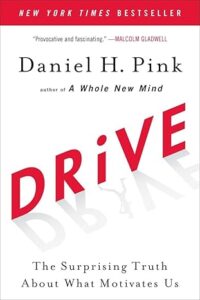 Drive: The Surprising Truth About What Motivates Us
by Daniel H. Pink
Explores intrinsic vs extrinsic motivation
Key concept: Autonomy, Mastery & Purpose are what drives people.
Great for understanding what really motivates clinical staff
 The Great Game of Business
by Jack Stack & Bo Burlingham
Practical guide to open-book management and team-based rewards
Shows how sharing financial data and giving staff ownership can drive performance
Ideal for clinics aiming to build a results-driven culture
 5 Languages of Appreciation in the Workplace
by Gary Chapman & Paul White
Focuses on non-financial motivation strategies – Praise, Appreciation, Recognition, Touch and You (Time with you).
Helps leaders tailor recognition in ways that resonate with individual team members
Useful for creating emotionally intelligent incentive systems
 Atomic Habits
by James Clear
While not a team management book per se, it’s powerful for building incentive systems tied to consistent behaviors
Helps clinics create habit loops for front desk teams, booking coordinators, etc. Change habits, change results.
A must-read for driving behavioural change and consistency
 The Carrot Principle
by Adrian Gostick & Chester Elton
Explores how effective recognition boosts productivity and retention
Offers practical strategies for leaders to implement reward programs that stick
Ideal for clinics with growing teams
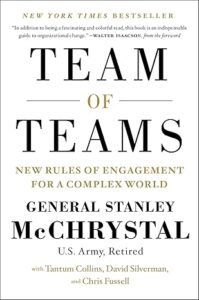 Team of Teams: New Rules of Engagement for a Complex World
by Gen. Stanley McChrystal
Case study-rich book on adaptability, empowerment, and trust
Emphasizes decentralised leadership—relevant to multi-site or rapidly growing clinics
Supports thinking beyond simple KPI bonuses
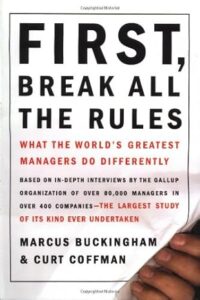 First, Break All the Rules: What the World’s Greatest Managers Do Differently
by Marcus Buckingham & Curt Coffman
Based on extensive Gallup research
Encourages tailored team leadership, performance conversations, and metrics beyond just money
Excellent foundation for designing a values-based incentive structure
- Stretch NOT Snap and Profit Works by Alex Freytag
-
- The Ideal Team Player by Patrick Lencioni – Quick read with a strong focus on hiring and incentivising around humility, hunger, and people smarts.
Sustainability and Staff Incentives
An emerging trend in staff incentives beyond financial rewards is the focus on sustainability and corporate social responsibility. Employees, particularly younger generations, are increasingly drawn to companies that prioritise environmental and social initiatives. Offering incentives that support sustainability can be an excellent way to align company values with employee motivations.
Examples of sustainable incentives include offering employees the opportunity to participate in green initiatives, such as tree-planting events, or providing bonuses for using eco-friendly commuting methods. Companies can also partner with charitable organisations and offer paid volunteer days, encouraging employees to contribute to causes that they are passionate about.
Incentivising employees to reduce their carbon footprint-such as rewarding those who walk, cycle, or use public transport-can also be effective. This not only motivates employees but also strengthens the company’s commitment to sustainability, which can be a key differentiator in a competitive job market.
Technology and Staff Incentives
Technology is playing a role in shaping staff incentive programmes. Digital tools and platforms can make it easier for companies to track employee performance, gather feedback, and provide rewards in a more personalised and efficient manner.
For example, employee recognition platforms allow managers and peers to give real-time recognition, which can be shared company-wide. Gamification is also gaining popularity as a way to incentivise employees, using elements like leaderboards, badges, and rewards to encourage engagement and healthy competition. Additionally, digital wellness apps and platforms can support employee wellbeing initiatives, making them more accessible and scalable.
The Future of Staff Incentives
The world of work is evolving, and so too are the expectations of employees. Staff incentives need to reflect the changing landscape of the workplace and adapt to meet the needs of a diverse and dynamic workforce.
With a greater focus on work-life balance, mental health, and overall well-being, many companies are shifting towards more holistic incentive programmes that recognise the importance of supporting the whole person, rather than just focusing on productivity metrics. Flexibility, development opportunities, and a positive company culture are increasingly being seen as key components of effective staff incentive programmes.
Additionally, as remote and hybrid working arrangements become more common, companies will need to think creatively about how to offer incentives that are meaningful and accessible to all employees, regardless of their location. The importance of inclusivity and ensuring that no one feels left out will be crucial in the design of future incentive programmes.
Taking Action
Staff incentives are a powerful tool for motivating employees, improving productivity, and retaining top talent. Whether they take the form of financial rewards, recognition, career development opportunities, or flexible working arrangements, incentives show employees that their contributions are valued and that the company is committed to their success.
To be effective, incentive programmes need to be thoughtfully designed, fair, and aligned with the overall goals of the business. By taking the time to understand what motivates their employees and offering a diverse range of incentives, companies can create a motivated, engaged, and happy workforce that is well-equipped to drive success.
The future of staff incentives is all about flexibility, inclusivity, sustainability, and a focus on overall wellbeing. By keeping these principles in mind, companies can create incentive programmes that not only boost performance but also contribute to a positive, supportive, and thriving workplace culture. Embracing technology, sustainability, and a holistic approach to wellbeing will ensure that staff incentive programmes remain relevant, meaningful, and impactful for years to come.
Further Reading About Understanding Staff Incentives
- Using Staff Incentives in Cosmetic Surgery Practices
- Read more about Finding & Keeping Great Practice Staff – Recruiting Tips Blog
- Read more about How to Live a Better Life – Be Healthier, Wealthier, Wiser and Happier by Working Smarter NOT Harder Blog
- Read more about Best Productivity & Effectiveness Tips – How to get BETTER RESULTS fast Blog