Modern Principles of Wound Healing – What Every Plastic Surgery Nurse Should Know
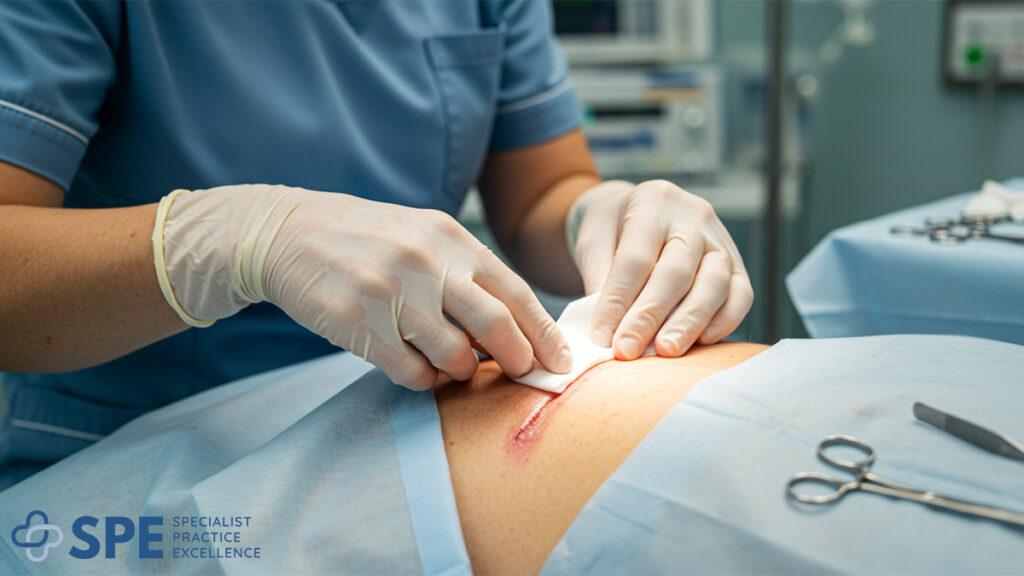
Wound healing is one of the most fundamental responsibilities in nursing practice, yet it is also one of the most complex. Plastic surgery patients in particular demand meticulous wound management to ensure safe recovery, minimal complications, and optimal cosmetic outcomes.
For nurses working in private practice, understanding the modern principles of wound healing goes far beyond dressing changes. It requires a deep knowledge of physiology, evidence-based practices, and patient education. This article explores the science of wound healing, factors that influence recovery, and practical strategies every nurse should know.
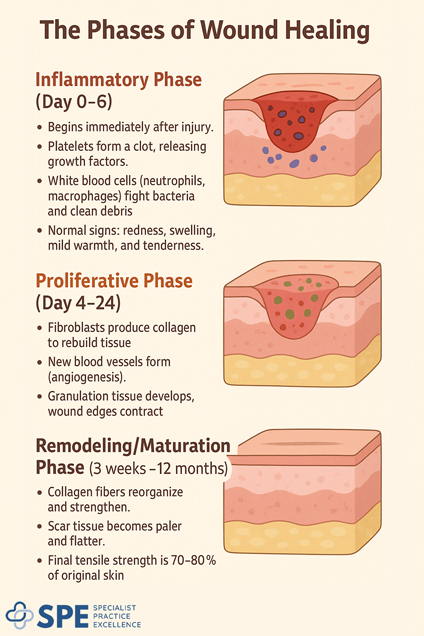
The Phases of Wound Healing
Inflammatory Phase (Day 0–6)
Begins immediately after injury.
Platelets form a clot, releasing growth factors.
White blood cells (neutrophils, macrophages) fight bacteria and clean debris.
Normal signs: redness, swelling, mild warmth, and tenderness.
Final tensile strength is 70–80% of original skin.
Key Principles of Modern Wound Healing
1. Moist Wound Healing
Optimal healing occurs in a moist environment.
Too dry leads to scabbing and slower repair.
Too wet leads to maceration and delayed healing.
2. Aseptic Technique
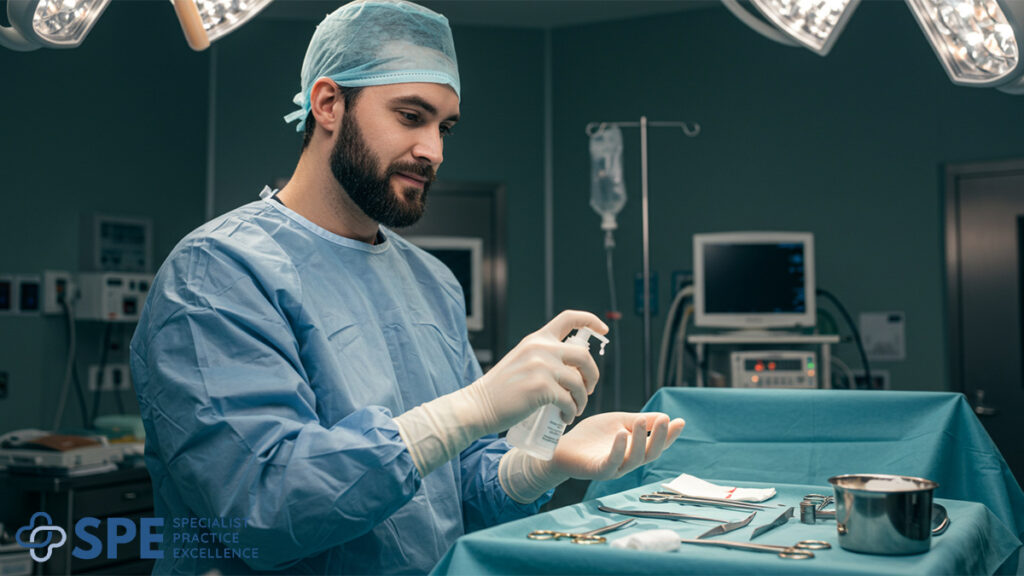
Always maintain sterile or clean technique during dressing changes.
Prevents infection, which is the biggest disruptor of healing.
3. Oxygenation
Adequate oxygen delivery is essential for collagen synthesis and angiogenesis.
Smoking, vascular disease, and anemia reduce oxygen supply.
4. Nutrition and Hydration
Protein, vitamin C, zinc, and hydration are critical.
Malnourished patients are at higher risk of wound breakdown.
5. Infection Prevention
Early detection of redness, pus, or odor prevents serious complications.
Nurses play a key role in identifying and escalating infection concerns.
Factors That Delay Wound Healing
Poor circulation (diabetes, vascular disease).
Smoking and alcohol use.
Malnutrition or low protein intake.
Uncontrolled diabetes.
Infection or excessive bacterial load.
Inappropriate dressing choice.
Excessive wound tension or poor closure technique.
Nurse Strategies to Support Healing
Assess wounds at every visit for color, odor, size, and drainage.
Choose dressings based on wound type and moisture needs.
Educate patients on hygiene, garment use, and activity restrictions.
Reinforce nutrition, hydration, and rest as part of healing.
Escalate delayed healing or infection concerns promptly to the surgeon.
Do’s and Don’ts of Wound Healing Management
Do’s
Do maintain a moist wound environment with the correct dressing.
Do use aseptic technique during every dressing change.
Do assess wounds systematically at each follow-up.
Do educate patients on nutrition and hydration.
Do escalate red flags such as pus, spreading redness, or sudden pain.
Do document wound progression with notes and photos (if policy allows).
Do encourage smoking cessation for better outcomes.
Don’ts
Don’t allow wounds to dry out excessively.
Don’t reuse or overextend the life of a dressing.
Don’t dismiss subtle signs of infection.
Don’t ignore systemic factors like diabetes or vascular disease.
Don’t allow garments or adhesives to irritate wounds.
Don’t overlook the psychological impact of slow healing.
Don’t delay escalation when wounds are not progressing.
FAQs on Modern Principles of Wound Healing
General Wound Healing FAQs
Q: How long does it take for surgical wounds to fully heal?
Most wounds close in 1–3 weeks, but complete remodeling and scar maturation can take 12 months.
Q: Why do some wounds heal faster than others?
Healing speed depends on patient health, wound type, circulation, and compliance with care.
Q: Can nurses predict scar appearance based on wound healing?
Not precisely, but delayed or complicated healing increases risk of poor scarring.
Moisture Balance FAQs
Q: Why is moist wound healing better than dry?
Moisture supports cell migration, collagen production, and faster closure.
Q: Can wounds be too moist?
Yes. Excess moisture causes maceration, which breaks down surrounding skin.
Q: What dressings maintain moisture best?
Hydrocolloids, foams, and alginates help balance fluid levels depending on wound type.
Infection and Asepsis FAQs
Q: How do nurses recognize early wound infection?
Look for spreading redness, increased pain, swelling, pus, or foul odor.
Q: Can a wound heal if bacteria are present?
Yes, but high bacterial loads overwhelm the healing process and cause infection.
Q: What’s the nurse’s role in preventing infection?
Maintaining aseptic technique, monitoring wounds, and educating patients on hygiene.
Nutrition and Lifestyle FAQs
Q: How does smoking affect wound healing?
It reduces oxygen delivery, impairs collagen formation, and increases complications.
Q: Why is protein intake important after surgery?
Protein fuels tissue repair and collagen production, essential for wound closure.
Q: Do vitamins improve wound healing?
Vitamin C, zinc, and vitamin A are critical for proper repair and immune defense.
Escalation FAQs
Q: When should nurses escalate concerns about wound healing?
If wounds show no improvement within 2 weeks, or if red flags appear.
Q: Can delayed healing be due to systemic illness?
Yes. Diabetes, vascular disease, and malnutrition often contribute.
Q: What documentation is best when escalating?
Clear, objective notes on wound size, drainage, color, odor, and pain — with photos if allowed.
Private Practice FAQs
Q: Do private practice patients expect faster healing?
Yes, and this can increase anxiety when healing takes longer than expected.
Q: How should nurses manage unrealistic expectations?
Provide clear education on normal healing timelines and scar maturation.
Q: Should every private practice include wound healing protocols?
Absolutely. Consistent protocols improve outcomes and reduce medico-legal risk.
Taking Action and Implementing
Wound healing is not just a biological process — it is a clinical responsibility. Nurses who understand modern principles of healing can influence outcomes, prevent complications, and support patients with evidence-based care.
By combining knowledge of wound physiology with vigilant monitoring, appropriate dressing selection, and patient education, nurses play a vital role in guiding patients toward safe, successful recovery. Empowering patients with realistic expectations and clear self-care instructions ensures that wounds heal not only quickly, but well.
Specialist Practice Excellence provides Mentoring and Training on Practice Operations, Patient Lead
Generation & Enquiry Conversion for Specialist Surgeon practices in Australia, UK and USA.
Meet the Team
David Staughton
David Staughton is a Melbourne-based business growth strategist, keynote speaker, and certified consultant with 30+ years of experience across multiple industries. He helps specialist surgeons and small businesses improve operations, increase revenue, and build strong teams. David has delivered 750+ talks worldwide and holds CSP and CCEO credentials.
Michelle
Michelle Staughton is a highly experienced Practice Consultant and Operations Coach who specialises in helping specialist medical and surgical practices run more smoothly and efficiently. With extensive experience in healthcare management, she focuses on improving patient experience, streamlining clinic operations, and supporting practice growth.
Brooklyn
Brooklyn has over 8 years of experience in specialty consulting, focusing on business improvement and customer experience. She has worked in Reception, Enquiries, Consulting, and Accounts, giving her a strong understanding of the customer journey. As a mentor, she designs training programs that help teams deliver excellent service with confidence.
What We Do
SPE helps Specialist Surgeons to:
Improve practice operations
Manage time effectively
Grow income sustainably
Build stronger teams and better patient experiences