Nurse Protocols for Seroma, Hematoma, and Safe Fluid Collections
Seromas, haematomas, and other fluid collections are among the most common complications after plastic and cosmetic surgery. While often manageable, they can delay healing, increase infection risk, and compromise surgical results if not recognised early.
For nurses in private practice, careful observation, prompt escalation, and clear patient education are the keys to safe recovery. This article explores how to identify and manage these complications, what red flags to watch for, and the essential protocols nurses should follow.
Why Fluid Collections Matter
Patient safety – untreated collections can lead to infection or wound breakdown.
Cosmetic outcomes – swelling or distortion can alter results.
Comfort – fluid build-up increases pain and limits mobility.
Trust – patients expect nurses to explain and manage these issues confidently.
Understanding the Types of Fluid Collections
Seroma
Clear or straw-coloured fluid pooling under the skin.
Common after abdominoplasty, body contouring, and large flap procedures.
May present as soft swelling, fluctuant bulge, or sloshing sensation.
Hematoma
Collection of blood outside blood vessels.
Presents as firm, painful swelling with bruising and discolouration.
Usually develops within the first 24–48 hours.
Other Fluid Collections
Lymphatic leak – persistent drainage of lymph fluid.
Observation – monitor swelling, bruising, and patient comfort.
Recording – document changes in size, colour, and firmness.
Escalation – alert the surgeon when red flags arise.
Education – teach patients how to recognise abnormal swelling at home.
Support – reassure patients while arranging further care.
Red Flags to Escalate Immediately
Rapidly expanding swelling
Severe pain unrelieved by medication
Sudden asymmetry in surgical sites
Tense, firm bulges under the skin
Drain output suddenly increasing or turning bloody
Signs of infection in fluid (foul smell, fever, warmth)
Do’s and Don’ts for Fluid Collection Management
Do’s
Do check surgical sites at every visit for swelling and firmness.
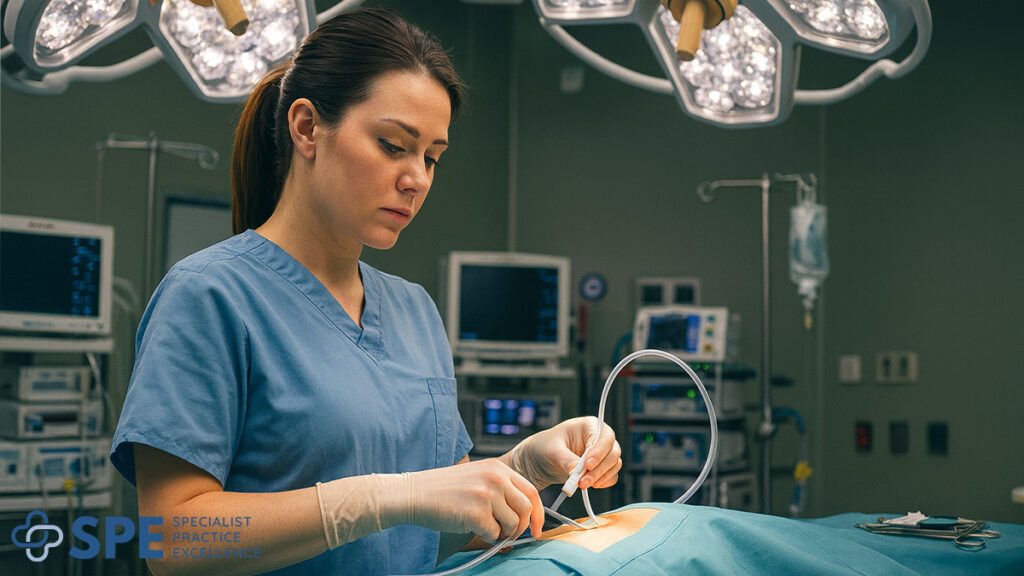
Do monitor drain outputs carefully.
Do educate patients about signs of fluid build-up.
Do escalate any rapidly expanding swelling.
Do use clear, objective documentation.
Do reassure patients while arranging urgent review.
Do emphasise garment compliance to reduce fluid build-up.
Don’ts
Don’t dismiss new swelling as “normal” without assessment.
Don’t ignore patient complaints of tightness or pressure.
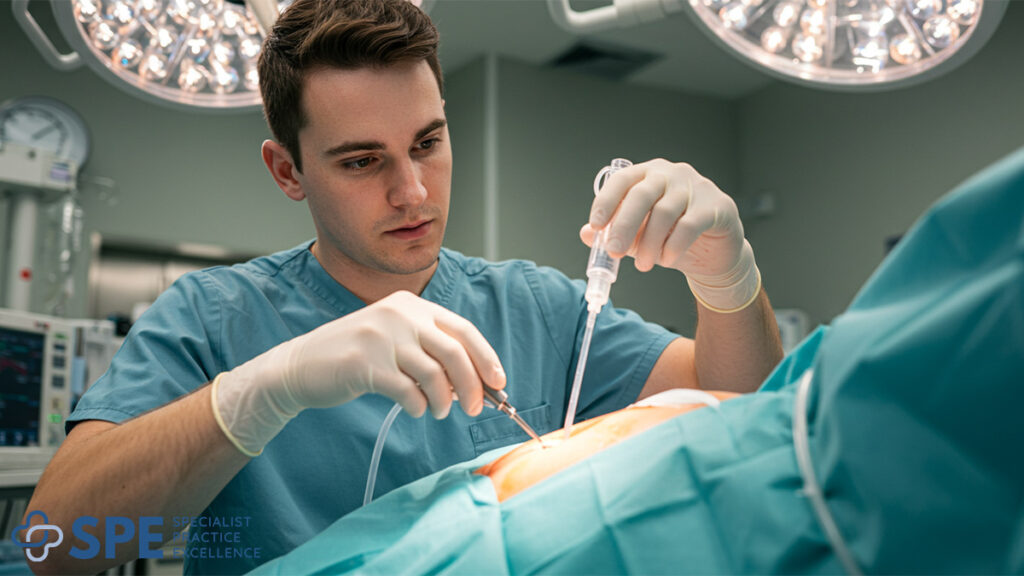
Don’t attempt aspiration unless trained and authorised.
Don’t allow drains to remain kinked or unsecured.
Don’t delay escalation when haematoma is suspected.
Don’t minimise the cosmetic impact of unmanaged collections.
Don’t forget infection can complicate any fluid build-up.
FAQs on Seroma, Haematoma, and Fluid Collections
General about Plastic Surgery Patient Fluid Collection FAQs
Q: How soon after surgery do seromas usually develop?
They most often appear within the first 1–2 weeks, but may occur later if fluid re-accumulates.
Q: Are hematomas more dangerous than seromas?
Yes. Hematomas can compromise blood supply, increase pain, and risk infection — they usually need urgent review.
Q: Can patients feel a seroma themselves?
Yes. They often describe a soft, squishy bulge or fluid “sloshing” under the skin.
Nurse Monitoring of Fluid Collection FAQs
Q: How should nurses check for a seroma?
Palpate gently for soft, fluctuant swelling and compare with the opposite side.
Q: What’s the difference between normal swelling and a fluid collection?
Normal swelling is diffuse and improves gradually; fluid collections are localised, fluctuant, and may increase.
Q: Should all seromas be drained?
Not always. Small seromas may resolve on their own, but persistent or symptomatic ones usually require aspiration.
Drain Care FAQs
Q: How do drains reduce seroma risk?
They remove fluid build-up in the early days post-op, reducing space for fluid collection.
Q: What if drain output suddenly increases?
Escalate immediately — it may indicate a bleeding or haematoma.
Q: Can drains themselves cause infection?
Yes, they create an entry point for bacteria. Strict aseptic care is vital.
Patient Education FAQs
Q: How should I explain seromas to patients?
“It’s a pocket of fluid your body sometimes makes after surgery. If it builds up too much, we may need to remove it.”
Q: How can patients reduce seroma risk?
By wearing garments as directed, limiting strenuous activity, and keeping drains secure.
Q: Should patients ever drain fluid themselves at home?
No. Fluid collections should only be managed in a clinical setting.
Patient Escalation FAQs
Q: When should a nurse escalate swelling?
Always escalate if swelling is firm, rapidly growing, or painful.
Q: Can aspiration be done in private practice?
Only by a trained, authorised clinician — never by nurses without approval.
Q: What’s the safest way to communicate fluid concerns to patients?
Stay calm: “This looks like extra fluid; the surgeon will review it and decide the safest next step.”
Private Practice FAQs
Q: Do seromas occur more often in certain surgeries?
Yes, particularly in abdominoplasty, liposuction, and body lifts.
Q: Should private practice nurses provide written guidance about fluid collections?
Yes. Patients should receive clear take-home instructions and red flag checklists.
Q: How can follow-up calls help?
They allow early detection of patient-reported swelling or pain, preventing complications from worsening.
Taking Action and Implementing
Seromas, haematomas, and fluid collections are common but potentially serious complications after plastic surgery. For nurses, vigilance, patient education, and timely escalation are essential.
By monitoring surgical sites carefully, recognising early red flags, and supporting patients with clear guidance, nurses protect both safety and results. When patients understand what to look for — and know when to seek help — recovery becomes safer, smoother, and more predictable.
Specialist Practice Excellence provides Mentoring and Training on Practice Operations, Patient Lead
Generation & Enquiry Conversion for Specialist Surgeon practices in Australia, UK and USA.
Meet the Team
David Staughton
David Staughton is a Melbourne-based business growth strategist, keynote speaker, and certified consultant with 30+ years of experience across multiple industries. He helps specialist surgeons and small businesses improve operations, increase revenue, and build strong teams. David has delivered 750+ talks worldwide and holds CSP and CCEO credentials.
Michelle
Michelle Staughton is a highly experienced Practice Consultant and Operations Coach who specialises in helping specialist medical and surgical practices run more smoothly and efficiently. With extensive experience in healthcare management, she focuses on improving patient experience, streamlining clinic operations, and supporting practice growth.
Brooklyn
Brooklyn has over 8 years of experience in specialty consulting, focusing on business improvement and customer experience. She has worked in Reception, Enquiries, Consulting, and Accounts, giving her a strong understanding of the customer journey. As a mentor, she designs training programs that help teams deliver excellent service with confidence.
What We Do
SPE helps Specialist Surgeons to:
Improve practice operations
Manage time effectively
Grow income sustainably
Build stronger teams and better patient experiences